Sun spots, those tell-tale signs of too much fun in the sun, can be a source of frustration for many. You might glance in the mirror and notice their increasing presence, wondering if there’s anything you can do to reclaim your skin’s even tone. The good news is, there’s a lot you can do! This guide will walk you through understanding these common skin concerns, preventing new ones, and effectively treating existing sun spots, both at home and with professional help.
Understanding Sun Spots: What Are They Really?
Before we dive into solutions, let’s get acquainted with our adversary. Knowing what sun spots are and how they form is the first step toward effective treatment and prevention.
The Science Behind Sun Spots
Think of your skin as a canvas, and melanin as the paint. Melanin is the pigment that gives your skin, hair, and eyes their colour. When your skin is exposed to ultraviolet (UV) radiation from the sun, it goes into protective mode, producing more melanin to shield itself from damage. It’s like your body’s natural sunscreen.
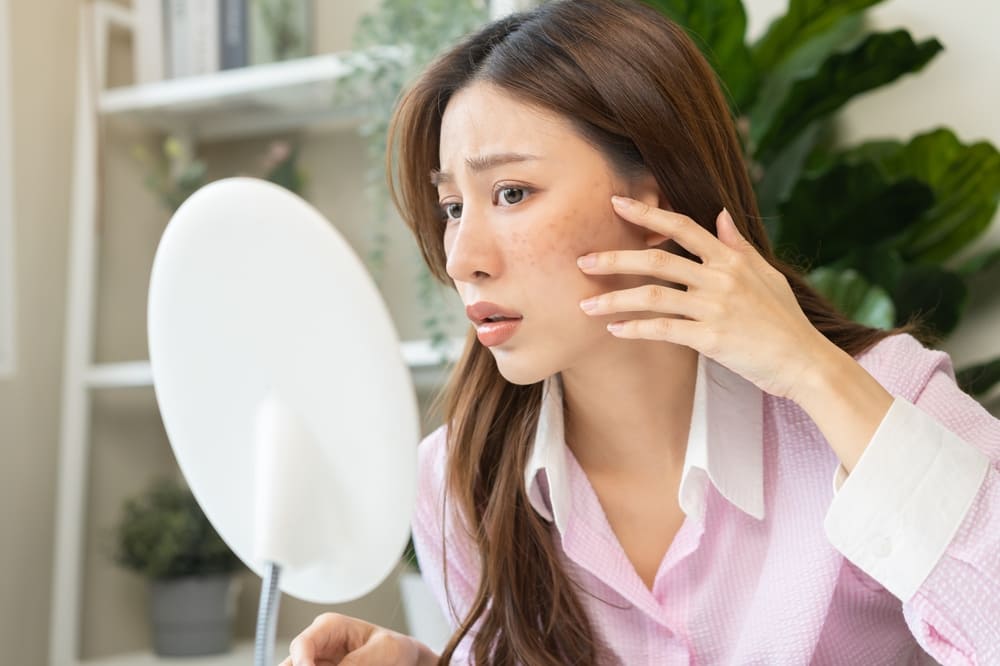
However, sometimes this melanin production becomes uneven or overactive in certain areas. This leads to clusters of melanin accumulating, forming those flat, brownish patches we call sun spots. They’re also known as solar lentigines, age spots, or liver spots, though they have nothing to do with your liver’s health. They typically appear in areas most exposed to the sun, like your face, hands, décolletage, and arms. It’s not just about getting a sunburn; even gradual, cumulative sun exposure over the years can trigger their formation. It’s the story of countless sunny days adding up.
Identifying Sun Spots vs. Other Skin Concerns
It’s crucial to correctly identify sun spots because other skin conditions can mimic their appearance. While sun spots are typically flat, brown, or tan, and vary in size, other concerns might be more serious. For instance, freckles are often smaller, lighter, and tend to fade in the winter, whereas sun spots usually stick around.
Then there are moles, which can be raised, darker, and have irregular borders. Most importantly, skin cancer, particularly melanoma, can sometimes resemble a sun spot. If you notice any spot on your skin that is asymmetrical, has irregular borders, varies in colour, has a diameter larger than 6mm, or is evolving (changing in size, shape, or colour), it’s imperative to consult a dermatologist immediately. Don’t play guessing games with your health; let a professional make the diagnosis.
The First Line of Defence: Prevention is Key
It’s an old adage, but it holds especially true for sun spots: an ounce of prevention is worth a pound of cure. Protecting your skin from the sun is the single most effective strategy to prevent new sun spots and keep existing ones from darkening.
Sunscreen
If you take one piece of advice from this entire article, let it be this: wear sunscreen every single day, rain or shine, indoors or out. UV rays can penetrate clouds and even windows, so consistent application is non-negotiable.
Think of sunscreen as an invisible shield for your skin. Opt for a broad-spectrum sunscreen with an SPF of 30 or higher. “Broad-spectrum” means it protects against both UVA rays (which contribute to ageing and sun spots) and UVB rays (which cause sunburn). Apply it generously as the last step in your morning skincare routine, at least 15-20 minutes before sun exposure, and reapply every two hours, or more frequently if you’re swimming or sweating. Don’t forget often-missed spots like your ears, neck, and the backs of your hands. Make it as routine as brushing your teeth, and your skin will thank you.
Hats and Sunglasses
Sunscreen is fantastic, but it’s not a magical force field. Layering your protection offers an even stronger defence. This is where protective clothing comes in. A wide-brimmed hat (think brim all the way around, not just a baseball cap) provides excellent shade for your face, neck, and ears. It’s like carrying your own personal shade tree wherever you go.
Similarly, sunglasses aren’t just a fashion statement; they protect the delicate skin around your eyes, an area prone to sun damage and fine lines, and help prevent cataracts. Look for sunglasses that offer 99% or 100% UV protection. These simple additions to your wardrobe can significantly reduce your cumulative sun exposure.
Avoiding Peak Sun Hours
The sun’s UV radiation is strongest between 10 a.m. and 4 p.m. This isn’t to say you should become a vampire, but exercising caution during these hours can make a big difference. If you can, plan your outdoor activities for earlier in the morning or later in the afternoon. If you must be outside during peak hours, seek shade whenever possible. A tree, an umbrella, or even a building’s overhang can offer a welcome reprieve from intense UV rays. Every little bit of shade adds up to significant protection over time.
At-Home Remedies for Fading Sun Spots
Once sun spots have made their unwelcome appearance, there are several at-home strategies you can employ to help lighten them. Patience and consistency are paramount when using these methods.
Topical Creams and Serums
The beauty aisle, and increasingly, the pharmacy, is brimming with products designed to fade sun spots. These typically contain active ingredients that work by inhibiting melanin production or speeding up skin cell turnover.
Look for ingredients such as:
- Vitamin C: A powerful antioxidant that brightens the skin and protects against further damage. It’s like a daily dose of sunshine for your skin, without the UV.
- Niacinamide (Vitamin B3): Helps reduce hyperpigmentation and improve skin barrier function. It’s a fantastic multitasker.
- Alpha Hydroxy Acids (AHAs) like Glycolic Acid or Lactic Acid: These gently exfoliate the top layer of skin, helping to shed pigmented cells and reveal brighter skin underneath. Start with lower concentrations to avoid irritation.
- Retinol (a form of Vitamin A): Speeds up cell turnover and helps even out skin tone. It can be quite potent, so introduce it slowly into your routine, perhaps a few times a week, and always pair it with sunscreen.
- Kojic Acid or Arbutin: These ingredients work by blocking an enzyme necessary for melanin production.
When choosing a product, don’t expect overnight miracles. Results typically become visible after several weeks to a few months of consistent use.
Natural Remedies
The internet is full of natural remedies for just about everything, and sun spots are no exception. While some may offer mild benefits due to their antioxidant or exfoliating properties, it’s crucial to approach them with caution and realistic expectations.
- Lemon Juice: Contains citric acid, a natural AHA. However, applying pure lemon juice to your skin can be highly irritating, make your skin more sensitive to the sun, and potentially cause phytophotodermatitis (a severe burn-like reaction). It’s generally not recommended.
- Apple Cider Vinegar: Also contains acids that can gently exfoliate. Dilute it heavily with water before applying to avoid irritation.
- Aloe Vera: Known for its soothing properties, some research suggests it might have mild melanin-inhibiting effects. It’s generally safe to try.
- Turmeric: A powerful antioxidant and anti-inflammatory, some studies indicate it can help with hyperpigmentation. A paste made with water or yoghurt can be applied as a mask. Be aware that it can temporarily stain skin or clothes.
The main takeaway here is that while natural remedies might offer some benefit, they are generally much less potent than scientifically formulated topical creams. Always do a patch test first, and discontinue use if irritation occurs.
Consistency is Your Best Friend
Whether you choose over-the-counter creams or natural remedies, consistency is the non-negotiable ingredient for success. Fading sun spots are not a sprint; it’s a marathon. You won’t see results after a few applications. Stick with your chosen regimen daily, and give it at least 8-12 weeks before assessing its effectiveness. Just like building a habit, it takes time and dedication for your skin to respond.
Professional Treatments for Stubborn Sun Spots
When at-home remedies aren’t enough, or if you’re looking for faster, more dramatic results, professional treatments administered by a dermatologist can be highly effective. These methods work by either removing the pigmented skin cells or breaking down the melanin.
Chemical Peels
Imagine your skin shedding its old, damaged layer to reveal fresh, new skin underneath – that’s essentially what a chemical peel does. A dermatologist applies a chemical solution (containing acids like glycolic, salicylic, or trichloroacetic acid) to the skin, which exfoliates the top layers.
Chemical peels come in varying strengths: superficial, medium, and deep. For sun spots, superficial and medium peels are most commonly used. A superficial peel might feel like a mild tingling and result in some flaking for a few days. A medium peel penetrates deeper, leading to more noticeable redness, peeling, and downtime. The new skin that emerges is typically smoother, brighter, and more even-toned. It’s like resetting your skin’s surface.
Laser Therapy
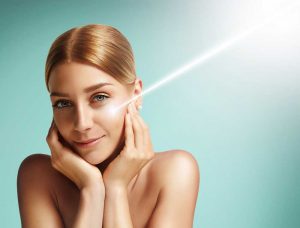
Laser therapy is one of the most effective and precise ways to target sun spots. Lasers work by emitting concentrated light energy that is absorbed by the melanin in the sun spot, heating it up and breaking it into tiny particles. These particles are then naturally cleared away by your body’s immune system.
There are different types of lasers used for sun spots, such as Q-switched lasers, picosecond lasers, and intense pulsed light (IPL) devices (though technically not a laser, IPL is often categorised with laser treatments for pigmentation). The treatment typically involves a series of sessions, and while there might be some temporary redness and darkening of the spot before it flakes off, the results can be quite impressive. It’s like using a precise laser pointer to erase the unwanted marks.
Cryotherapy
Cryotherapy involves applying liquid nitrogen directly to the sun spot to freeze and destroy the melanin-producing cells. This causes the treated area to blister, and then the sun spot typically scabs over and falls off within a week or two, revealing lighter skin underneath.
Cryotherapy is quick and generally effective for isolated sun spots. However, it requires a skilled hand to avoid freezing too deeply, which could lead to hypopigmentation (lighter than natural skin colour) or scarring. It’s like a targeted cold blast to get rid of the spot.
Microdermabrasion
Microdermabrasion is a less aggressive professional treatment that involves using a special device to gently buff away the outermost layer of dead skin cells. It works through either fine crystals or a diamond-tipped wand, combined with suction.
While not as potent as chemical peels or lasers for deep-seated sun spots, microdermabrasion can be effective for superficial sun spots and overall skin brightening. It requires multiple sessions to see significant improvement and has virtually no downtime. It’s like a thorough, high-powered exfoliation that gradually polishes away the dullness and mild pigmentation.
Maintaining Your Results and Preventing Recurrence
Getting rid of sun spots is a victory, but keeping them at bay requires ongoing effort. Think of it as a continuous commitment to your skin’s health.
Long-Term Skincare Routine
Maintaining results after sunspot treatment requires a consistent skincare routine. Daily sunscreen protects against new spots, antioxidants like Vitamin C shield from environmental damage, and retinoids promote healthy cell turnover. Gentle exfoliation with AHAs or BHAs keeps skin smooth, while the core principles of protection, prevention, and renewal remain essential as your skin’s needs evolve.
Regular Dermatologist Check-ups
Even if your sun spots are gone, regular check-ups with a dermatologist are crucial. Not only can they help you refine your skincare routine and recommend maintenance treatments, but more importantly, they can monitor your skin for any new or changing lesions that might be more serious. Early detection of skin cancer is key, and a dermatologist is your best ally in this regard. Consider them your skin’s primary care physician.
Choosing the Right Path for You
Deciding on the best course of action can feel overwhelming with so many options available. The right path is ultimately a personal one, tailored to your specific skin concerns, lifestyle, and budget.
Consulting a Dermatologist
Before embarking on any aggressive treatment, especially professional ones, consulting a board-certified dermatologist is non-negotiable. They are the experts in skin health. A dermatologist can:
- Accurately diagnose your spots: Confirm they are indeed sun spots and not something more serious.
- Assess your skin type and concerns: Recommend treatments that are safe and effective for your skin.
- Create a personalised treatment plan: Combining in-office procedures with at-home care.
- Manage expectations: Explain potential risks, benefits, and expected outcomes.
Think of your dermatologist as your personal guide through the maze of skin treatments. Their expertise will save you time, money, and potential frustration.
Final Tips and Next Steps
Wondering how to get rid of sun spots on the face? While they can be stubborn, a consistent routine of sun protection, targeted skincare, and professional treatments can make a significant difference. Daily sunscreen, antioxidant serums, and gentle exfoliation help maintain results, while regular dermatologist check-ups ensure any new or changing spots are addressed early. Improving your skin is a journey, but with the right approach, you can achieve a smoother, more radiant complexion.Take the first step toward healthier skin today. Visit Northern Beaches Cosmetic to book a consultation and discover personalised solutions for sun spots and overall skin rejuvenation.
Disclaimer: The above content is for general informational purposes only and does not constitute medical advice. It is not intended to diagnose, treat, cure, or prevent any condition. Information may change over time. Please consult a qualified healthcare professional before making any health or treatment decisions.